Understanding the Importance of Strength Training Equipment Maintenance
Strength training equipment is an essential investment for anyone serious about their fitness journey. Regular maintenance of this equipment ensures its longevity and functionality. Unlike cardio machines that may have fewer moving parts, strength training machines, free weights, and accessories endure significant wear and tear through consistent use.
Maintaining your equipment not only enhances your workout experience but also promotes safety. Faulty or poorly maintained equipment can lead to injuries, interrupting your training regimen. To maximize your efforts, understanding how to properly care for your equipment is crucial. This section will delve into why regular maintenance matters, the common risks of neglect, and the impact it can have on your training outcomes.
Additionally, creating a schedule for routine checks and repairs can help you stay proactive. Just as athletes need to focus on their form, they also need to prioritize their tools. Little actions, such as checking the integrity of bolts on a squat rack or the smoothness of bench adjustments, can make a significant difference in how effectively you train.
Identifying Common Issues with Strength Training Equipment
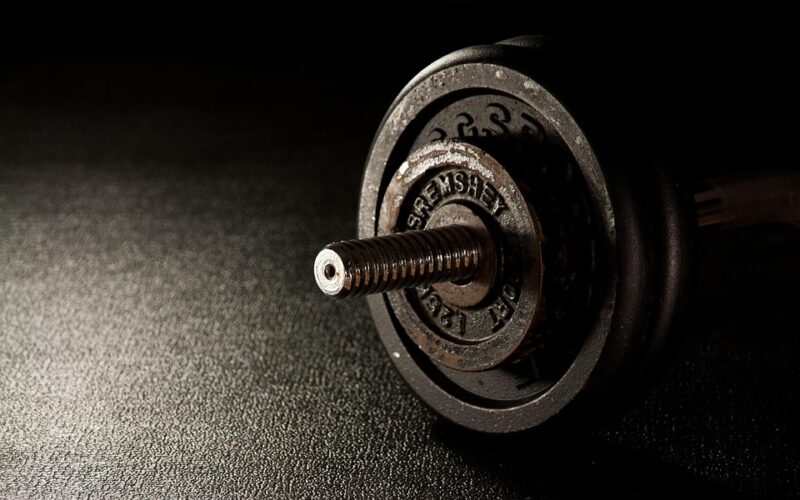
Equipment requires regular inspection to catch issues early. Common problems often arise due to wear and tear, improper use, or environmental factors. Free weights, for instance, can accumulate rust if not stored properly or if they remain in a damp environment. It’s essential to regularly check for any signs of corrosion or material degradation.
Machines have unique vulnerabilities. Cables can fray, belts may slip, and movable parts can seize if not lubricated. Regularly checking for these signs can prevent malfunctions that could disrupt your routine. Users need to pay attention to the sound – unusual noises can indicate an issue that needs immediate attention.
Furthermore, pads and grips are often overlooked. Worn pads can be both uncomfortable and unsafe, as they may not provide adequate support during workouts. Inspecting the condition of the rubber grips on dumbbells, barbells, and machines is equally important, as they can impact your grip and influence your safety during an exercise.
Steps for Routine Maintenance of Strength Training Gear
The best way to ensure the longevity of your strength training equipment is a consistent maintenance routine. Here’s a step-by-step guide you can implement to keep your gear in peak condition:
-
Visual Inspection: Regularly look for any visible damage, such as cracks in plastic components, fraying cables, or rust on metal parts.
-
Wipe Down Equipment: Use disinfectant wipes or a gentle cleaning solution to wipe down grips and seats after each use. This not only maintains hygiene but can also prevent the degradation of materials.
-
Lubrication: For machines with moving parts, consider using a silicone-based lubricant. Such lubricant can reduce friction and prolong the life of your equipment. Be cautious not to over-lubricate, as this can attract dust and debris.
-
Tighten Loose Parts: Regularly check bolts and fastening components. A simple twist with a wrench can prevent many mechanical failures.
-
Check Adjustable Parts: Ensure that all adjustable settings on benches and machines are functioning properly. Test locks and pins to ensure they are secure and not worn out.
Establishing a habit of inspecting your equipment at least once a month can aid in identifying potential issues before they escalate.
Repairing Your Strength Training Equipment: DIY vs Professional Help
Identifying equipment issues is merely the first step; the next step involves deciding whether to repair it yourself or enlist professional help. DIY repairs can be economical and satisfying, yet they come with risks—especially if you lack experience.
DIY Repairs: Basic maintenance tasks, such as tightening bolts, replacing damaged grips, and lubricating moving parts, are often manageable. There are countless online resources and communities dedicated to fitness equipment maintenance, where you can find tutorials for specific repairs.
However, some repairs should be left to professionals, especially for complex machinery or when dealing with electronic components where safety can be a concern. For instance, frayed cables on machines may require specific knowledge to repair correctly, and incorrect repairs can lead to further damage or personal injury.
When in doubt, consult the manufacturer’s guidelines. Many companies provide customer service resources, including help lines or manuals, to guide you through the repair process.
Upgrading and Replacing Equipment: Knowing When It’s Time
Understanding when to upgrade or replace equipment is critical for maintaining a productive training environment. Over time, even well-maintained equipment can become outdated or unsuitable for your evolving fitness needs.
First, gauge the repair costs against the price of new equipment. If repair costs accumulate significantly or the repairs yield minimal improvement, it may be time to consider replacement. Additionally, advancements in technology can enhance your training experience, so staying informed about new innovations could benefit your routine.
Consider the frequency of use as well. Commercial-grade equipment is designed for higher endurance; if you’re using home equipment as frequently as the gym machines, you may find them wearing down faster. Look for signs that the equipment is not meeting your performance expectations—this could include instability during heavy lifts or inconsistent resistance during machine workouts.
Ultimately, a balanced approach of repairing smaller issues and considering upgrades or replacements will keep your strength training environment effective and enjoyable.
By understanding this, you position yourself to make informed decisions, ensuring your training gear consistently meets your performance demands. Taking the time to maintain and repair your equipment effectively will improve both the safety and outcomes of your strength training endeavors.
Choosing the Right Equipment for Your Needs
Selecting the right strength training equipment tailored to your fitness goals is crucial. Before investing, consider factors such as your training style, available space, and budget. Free weights, resistance bands, and machines all serve unique purposes; for example, free weights promote functional strength and balance, while machines can guide movements and reduce the risk of injury. Think about versatility, as equipment like adjustable dumbbells or multi-station gyms offers more training options in a compact design. Additionally, seek quality over quantity; investing in durable, reputable brands can significantly enhance your fitness experience.
Safety Protocols During Workouts
Ensuring safety during workouts is non-negotiable, especially when using heavy equipment. Familiarize yourself with safety protocols such as proper lifting techniques, ensuring the surrounding area is clear, and using spotters when necessary. Understand your limits; overextending your capabilities can lead to accidents. Furthermore, it’s essential to use equipment as intended. Always read labels and manuals to ensure correct usage and to avoid unintentional misuse that could lead to injuries. Keep emergency contact information handy, and consider wearing proper footwear and using personal protective equipment when needed.
The Environmental Factors Affecting Equipment Longevity
Environmental conditions can significantly impact the longevity and performance of your strength training equipment. Humidity, temperature fluctuations, and exposure to sunlight can lead to corrosion, mold, or deterioration of materials. For instance, metal equipment can rust in damp environments, while rubber components may degrade if left in direct sunlight. To mitigate these risks, store equipment in a controlled environment, preferably in a dry, cool place. If your workouts are conducted outdoors, consider investing in protective covers to shield your gear from the elements and prolong its lifespan.
Building a Comprehensive Maintenance Log
Creating a detailed maintenance log is beneficial for tracking the health and performance of your equipment. Begin by documenting purchase dates, warranty information, and any maintenance performed, including services, repairs, and replacements. This log can help you identify patterns, such as recurring problems with specific pieces of equipment, and may inform future buying decisions. Setting reminders for routine checks can ensure that you don’t overlook maintenance tasks, creating accountability in your schedule. Utilizing digital tools or spreadsheets can streamline this process, making it easier to keep track of your equipment’s service history.
The Role of Technology in Equipment Maintenance
Emerging technology plays a pivotal role in efficiently managing and maintaining strength training equipment. Smart equipment equipped with sensors can provide real-time data on performance, alert users to maintenance needs, and even track workout metrics to enhance training effectiveness. Applications for fitness equipment management are also becoming more prevalent, allowing users to log maintenance activities, schedule repairs, and access guides. By integrating these technologies into your maintenance routine, you can ensure your gear operates optimally and effectively contributes to your training goals.
Summary:
Regular maintenance of strength training equipment not only prolongs its lifespan but also ensures safety and enhances workout effectiveness. By developing a consistent maintenance routine, understanding when to repair or replace equipment, and being vigilant about environmental factors, you can optimize your training experience. Selecting the right tools for your needs, adhering to safety protocols, and leveraging technology for maintenance can further elevate your workout environment. Ultimately, knowledge and proactive care are key in making informed decisions that support your fitness journey.
Prioritizing equipment maintenance and safety is essential for maximizing your strength training efficacy and minimizing injury risks.
#Weights #Adding #Maintain #Repair #Strength #Training #Equipment