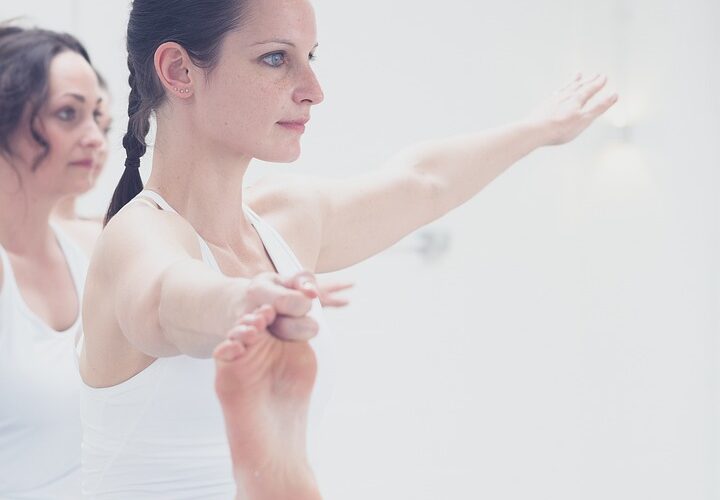
Avoiding Pilates Injuries: Tips for Staying Safe and Injury-Free During Your Workouts
Pilates is a highly effective form of exercise focused on improving flexibility, strength, and body awareness. However, like any physical activity, it carries the risk of injury if proper precautions are not taken. Whether you’re a seasoned practitioner or just getting started, understanding how to minimize risks will enhance your experience and effectiveness. Here, we will explore vital strategies to keep your Pilates practice safe and enjoyable.
Understanding Common Pilates Injuries
Pilates, while generally low-impact, can lead to certain types of injuries if movements are performed improperly or if the body is not adequately prepared for the demands of the practice. Common injuries include:
- Lower Back Pain: Often caused by improper alignment and engagement of core muscles.
- Wrist Strains: Resulting from placing excessive weight on unprepared wrists.
- Knee Injuries: These can occur due to inappropriate movement patterns or overextending.
- Shoulder Issues: Often a result of poor posture or incorrect shoulder alignment during exercises.
Understanding these common injuries is crucial for prevention. Awareness of how specific movements affect your body can help you recognize potential problems before they lead to injury.
Proper Warm-up and Cool-down
A well-structured warm-up routine is essential for preparing your muscles and joints for the dynamic movements involved in Pilates. Warming up increases blood flow, enhances flexibility, and reduces the risk of muscle strains. Suggested warm-up activities include gentle stretches, light cardio, and mobility exercises targeting major muscle groups.
Similarly, a cool-down period helps your body transition back to its resting state. This phase can include stretching the muscles worked during the session and promoting relaxation. Regularly incorporating these practices into your routine can significantly reduce the likelihood of injury.
Listening to Your Body
One of the most vital aspects of practicing Pilates safely is tuning into your body’s signals. Everyone’s body is different, and what works for one person may not work for another. Pay close attention to:
- Pain: Distinguish between discomfort and pain. If you feel pain, stop the exercise immediately.
- Fatigue: Pushing through fatigue can lead to compromised form and increase the risk of injury.
- Range of Motion: Know your limits. Avoid forcing your body into positions that feel unnatural or cause strain.
Developing body awareness will enhance your Pilates practice by helping you recognize when you need to modify or avoid certain movements.
Modifications and Variations
Pilates is known for its adaptability, making it accessible for individuals at different fitness levels and with varying physical conditions. Modifications can help tailor exercises to your ability:
- Use Props: Tools like resistance bands, blocks, and reformers can assist in achieving correct alignment and make exercises more manageable.
- Adjust Repetitions: If you’re a beginner or feeling fatigued, reduce the number of repetitions to maintain quality over quantity.
- Opt for Simpler Variations: Many Pilates exercises have beginner-friendly modifications that can still provide significant benefits without overexertion.
By making these adjustments, you can enjoy the advantages of Pilates while minimizing the risk of injury.
Importance of Professional Instruction
One of the best ways to ensure your safety while practicing Pilates is to seek guidance from qualified instructors. Professional teachers can:
- Evaluate Your Form: A knowledgeable instructor can assess your body alignment and technique, providing immediate feedback to prevent injury.
- Provide Customized Instruction: Instructors can design a program suited to your individual needs, accounting for any pre-existing conditions or injuries.
- Teach Progressions: Professionals can introduce new exercises progressively, ensuring that you have the foundational strength and endurance necessary before moving on to advanced movements.
Participating in classes or utilizing online sessions led by certified Pilates instructors not only boosts your confidence but significantly enhances your safety during workouts.
Implementing these strategies will not only make your Pilates practice safer but also more enjoyable and effective, allowing you to reap the full benefits of this phenomenal exercise technique.
Choosing the Right Equipment
Investing in the right Pilates equipment can enhance your practice while minimizing your risk of injury. While many exercises can be performed using just your body weight, tools like mats, reformers, and props are designed to provide support and resistance, aiding alignment and control.
A quality Pilates mat is essential, offering sufficient cushioning to protect your joints while providing stability for movements. Reformers, which provide adjustable springs for resistance, can be particularly beneficial for beginners since they help to control the range of motion and ease into challenging exercises safely. Always ensure that any equipment you use is well-maintained and suitable for your body type and fitness level.
Hydration and Nutrition
Proper hydration and nutrition play a critical role in maintaining optimal performance and reducing injury risk. Being dehydrated can lead to muscle cramps, fatigue, and poor concentration, ultimately affecting your workout quality. Aim to drink water before, during, and after your Pilates session to keep your muscles functioning efficiently.
Nutrition also directly impacts your ability to perform exercises safely and effectively. Ensure you consume a balanced diet rich in vitamins, minerals, and macronutrients to support muscle recovery and energy levels. Foods that are high in omega-3 fatty acids, like flaxseed and fish, can help reduce inflammation, further fostering a safe workout environment.
Mindfulness and Breathing Techniques
Integrating mindfulness and proper breathing techniques into your Pilates practice can significantly enhance safety and effectiveness. Breathing is a foundational element of Pilates, as it aids in activating your core and stabilizing your body throughout exercises.
Practicing deep, mindful breathing not only helps you stay focused during workouts but also promotes relaxation, reducing muscle tension and promoting better alignment. Focusing on your breath encourages awareness of body movement, which aids in listening to your body and recognizing the limits of your range of motion. Establishing this connection can ultimately foster a more intuitive and effective practice.
Regular Assessment of Physical Condition
Before engaging in a Pilates regimen, it is vital to assess your current physical condition. This evaluation can highlight strengths and weaknesses, allowing you to tailor your routine to better fit your needs. Consulting a healthcare professional or physical therapist, particularly if you have pre-existing conditions or injuries, can be a wise decision.
Regularly checking in with your body’s capabilities can help you adjust your practice over time. As you strengthen and progress, the exercises that once appeared challenging might become easier, allowing you to take on new challenges safely. This ongoing assessment can help prevent overexertion and promote a sustainable and enjoyable practice.
The Role of Community and Support Systems
Engaging with a community can greatly enhance your Pilates experience by providing additional motivation, accountability, and emotional support. Classes can foster a sense of camaraderie with fellow practitioners who share similar goals and challenges. This social aspect can alleviate feelings of isolation and encourage regular attendance, which is crucial for progress.
Having a support system also means you can seek advice, share experiences, and motivate each other in times of difficulty. Online forums, local classes, or even social media groups can nurture a supportive environment, bolstering your resolve to practice safely and enjoyably. Knowing that you are part of a communal effort can encourage you to practice safe habits consistently.
Summary:
Pilates is a rewarding exercise method that emphasizes flexibility, strength, and body awareness, but it requires an understanding of how to practice safely. Common injuries such as lower back pain, wrist strains, knee injuries, and shoulder issues can typically arise from improper techniques, making awareness essential. To mitigate risks, practitioners should prioritize warm-up and cool-down routines, listen to their bodies, and make necessary modifications. Working with professional instructors can provide personalized guidance, ensuring correct techniques, while choosing the right equipment, maintaining hydration, practicing mindfulness, regularly assessing physical condition, and building community support plays crucial roles in enhancing safety and enjoyment in Pilates. Each aspect reflects the importance of preparation and awareness in cultivating a sustainable and beneficial Pilates practice.
“Practicing Pilates safely allows you to maximize its benefits while minimizing the risk of injury, promoting a holistic approach to fitness and wellness.”
#Avoiding #Pilates #Injuries #Tips #Staying #Safe #InjuryFree #Workouts