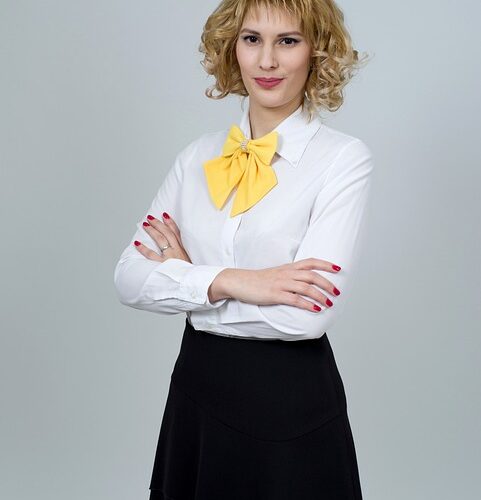
Are you feeling nervous about your upcoming job interview? Do you want to make sure you’re using the right body language to make a positive impression? In this article, we will explore the dos and don’ts of body language in interviews to help you feel more confident and prepared.
Are you aware of the importance of body language in interviews? Do you know how to make a good first impression with nonverbal cues?
The Dos and Don’ts of Body Language in Interviews
The Dos
- Make eye contact: Eye contact shows confidence and engagement.
- Smile: A genuine smile can help you appear friendly and approachable.
- Sit up straight: Good posture conveys professionalism and attentiveness.
- Use hand gestures: Gesturing can emphasize your points and make you appear more dynamic.
- Mirror your interviewer: Subtly mirroring the body language of your interviewer can help build rapport.
In an interview, it’s important to demonstrate your interest and enthusiasm for the position through your body language. Making eye contact shows that you are actively listening and engaged in the conversation. A smile can help to put both you and the interviewer at ease, creating a more positive atmosphere. Sitting up straight conveys confidence and professionalism, while using hand gestures can help to emphasize your points and keep the conversation engaging. Additionally, mirroring your interviewer’s body language can help to establish a connection and build rapport.
The Don’ts
- Avoid fidgeting: Fidgeting can make you appear nervous or disinterested.
- Avoid crossing your arms: Crossing your arms can signal defensiveness or closed-off body language.
- Don’t slouch: Slouching can convey a lack of interest or confidence.
- Avoid playing with your hair or clothing: This can be distracting and come across as unprofessional.
- Avoid excessive nodding: Nodding too much can make you seem overly eager or insincere.
On the flip side, there are certain body language cues to avoid during an interview. Fidgeting can be perceived as a sign of nervousness or disinterest, so try to keep your movements to a minimum. Crossing your arms can create a barrier between you and the interviewer, giving off a negative impression. Slouching can make you appear uninterested or lacking in confidence, so be mindful of maintaining good posture throughout the interview. Playing with your hair or clothing can be distracting and may come across as unprofessional. Additionally, excessive nodding can make you seem insincere or overly eager, so try to strike a balance with your nonverbal cues.
The Power of Body Language
- Building rapport: Body language can help establish a connection with your interviewer.
- Nonverbal cues: Your body language can speak volumes about your personality and attitude.
- Confidence: Using positive body language can help you appear more confident and self-assured.
Body language plays a powerful role in communication, especially during an interview. By using nonverbal cues effectively, you can build rapport with your interviewer and convey your genuine interest in the position. Your body language can also reveal insights into your personality and attitude, influencing how you are perceived by others. By showcasing positive body language, such as making eye contact, smiling, and using open gestures, you can project confidence and professionalism during the interview.
Practice Makes Perfect
- Practice in front of a mirror: Observe your body language and make adjustments as needed.
- Role-play with a friend: Practicing with a friend can help you receive feedback on your body language.
- Record a mock interview: Recording yourself can provide valuable insights into your nonverbal cues.
To improve your body language for interviews, practice is key. Try practicing in front of a mirror to observe your body language and make any necessary adjustments. You can also role-play with a friend or family member to simulate interview scenarios and receive feedback on your nonverbal cues. Another helpful tip is to record a mock interview and watch the playback to gain insights into how you come across nonverbally. By practicing and honing your body language skills, you can feel more confident and prepared for your next interview.
Final Thoughts
- Be mindful of your body language: Your nonverbal cues can impact how you are perceived in an interview.
- Practice and prepare: By practicing your body language and preparing for your interview, you can feel more confident and relaxed.
In conclusion, mastering the dos and don’ts of body language in interviews can help you make a positive impression and stand out as a strong candidate. By being mindful of your nonverbal cues, practicing your body language, and preparing for your interview, you can increase your chances of success and make a lasting impact on your interviewer. So, remember to smile, make eye contact, and use positive body language to showcase your confidence and enthusiasm for the job opportunity.
Are you struggling with body language in interviews? Here’s my story of overcoming similar challenges tied to the dos and don’ts of body language in interviews.
As someone who used to struggle with nervousness and lack of confidence in interviews, I understand the importance of body language all too well. My first few interviews were filled with fidgeting, crossed arms, and slouching, all of which sent the wrong signals to the interviewers. I remember feeling uncertain about how to present myself positively and make a lasting impression.
However, through practice and determination, I was able to turn things around. I started by practicing in front of a mirror, observing my body language and making adjustments as needed. I also enlisted the help of a friend to role-play interview scenarios and receive feedback on my nonverbal cues. By recording mock interviews and watching the playback, I gained valuable insights into areas where I could improve.
One of the most significant changes I made was in my approach to eye contact. I learned to maintain consistent and genuine eye contact with my interviewers, which helped me appear more engaged and confident. I also worked on my posture, sitting up straight to convey professionalism and attentiveness. These small changes made a big difference in how I was perceived during interviews.
Overall, by being mindful of my body language, practicing consistently, and preparing thoroughly for interviews, I was able to overcome my initial struggles and make a positive impression on interviewers. I learned that body language is a powerful tool that can influence how others perceive us and that with practice, anyone can improve their nonverbal communication skills.
Fascinating Statistics on Body Language in Interviews
– 93% of communication is nonverbal.
– 70% of employers say body language can be a deciding factor in hiring decisions.
– 55% of the impact of a message is determined by nonverbal cues.
– 75% of candidates are eliminated based on their body language during interviews.
– 80% of what we communicate is through body language.
In conclusion, mastering body language in interviews is crucial for making a positive impression and standing out as a strong candidate. Whether it’s making eye contact, smiling, or sitting up straight, small changes to your nonverbal cues can make a big difference. By practicing and honing your body language skills, you can increase your chances of success and make a lasting impact on your interviewer.
Body language is a powerful tool that can make or break your chances in an interview. Mastering the dos and don’ts can help you showcase your confidence and enthusiasm effectively.
#Dos #Donts #Body #Language #Interviews