Navigating Group Projects: How to Handle Challenges When Collaborating with Peers
Working on group projects can be both rewarding and challenging. While collaborating with peers can lead to innovative ideas and a sense of camaraderie, it can also bring about various challenges that can hinder the team’s progress. Navigating these challenges effectively is crucial for the success of the project and the overall satisfaction of all team members. In this article, we will discuss some common challenges faced in group projects and provide tips on how to overcome them.
1. Establishing Clear Roles and Responsibilities
One of the biggest challenges in group projects is the ambiguity surrounding roles and responsibilities. Without clear guidelines on who is responsible for what tasks, team members may end up duplicating efforts or neglecting important aspects of the project. To overcome this challenge, it is essential to establish clear roles and responsibilities from the outset.
Start by outlining the project goals and deliverables, and then assign specific tasks to each team member based on their strengths and expertise. Make sure that everyone understands their role and is accountable for their assigned tasks. Regular check-ins and updates can help ensure that everyone is on track and that tasks are being completed in a timely manner.
Communication is key when it comes to establishing clear roles and responsibilities. Encourage open and honest communication among team members, and address any misunderstandings or conflicts promptly. By fostering a collaborative environment where everyone knows what is expected of them, you can avoid confusion and ensure that the project progresses smoothly.
2. Managing Conflicts and Differences of Opinion
Conflicts are bound to arise in group projects, as team members may have different ideas, opinions, and working styles. While some level of conflict can be productive and lead to better outcomes, unresolved conflicts can be detrimental to the team’s morale and the project’s success. To effectively manage conflicts and differences of opinion, it is important to address them in a timely and constructive manner.
Encourage open dialogue and active listening among team members to understand each other’s perspectives and find common ground. Establish ground rules for resolving conflicts, such as using a consensus-based decision-making process or seeking mediation from a neutral party. It is also important to respect each other’s opinions and be willing to compromise when necessary.
If conflicts escalate or become persistent, consider bringing in a project manager or team leader to help facilitate the resolution process. Remember that conflicts are a natural part of working in a team, and addressing them proactively can lead to stronger relationships and better outcomes in the long run.
3. Dealing with Unequal Participation
Unequal participation is another common challenge faced in group projects, where some team members may contribute more than others. This can lead to feelings of resentment, frustration, and unfairness among team members, ultimately impacting the overall project quality and success. To address unequal participation, it is important to set expectations early on and establish a culture of accountability within the team.
Encourage all team members to actively participate in discussions and decision-making processes, and provide opportunities for everyone to contribute their ideas and expertise. Consider implementing a rotating leadership or task allocation system to ensure that each team member has a chance to take on different roles and responsibilities.
Regularly assess the team’s progress and performance, and address any issues of unequal participation as they arise. Provide constructive feedback to team members who may be struggling to contribute, and offer support and resources to help them overcome any challenges they may be facing. By fostering a culture of equity and inclusivity, you can ensure that all team members feel valued and motivated to contribute to the project’s success.
4. Managing Time and Deadlines
Time management is a critical aspect of any group project, as missed deadlines and delays can have serious consequences on the project’s outcomes. With multiple team members working on different tasks and timelines, it can be challenging to coordinate and prioritize effectively. To manage time and deadlines successfully, it is important to establish a clear timeline and schedule from the outset.
Create a project timeline that outlines key milestones, deadlines, and deliverables, and communicate this plan to all team members. Ensure that everyone is aware of their roles and responsibilities in meeting the project timeline, and provide support and resources to help them stay on track. Regularly review the project’s progress and adjust the timeline as needed to accommodate any unforeseen delays or challenges.
Encourage effective time management practices among team members, such as setting goals, prioritizing tasks, and using tools and techniques to improve productivity. Consider holding regular check-ins and progress updates to ensure that everyone is staying on schedule and meeting their deadlines. By proactively managing time and deadlines, you can enhance the team’s efficiency and ensure the successful completion of the project.
5. Leveraging Technology and Collaboration Tools
In today’s digital age, technology plays a crucial role in facilitating collaboration and communication among team members in group projects. By leveraging the right tools and platforms, teams can streamline their workflows, enhance productivity, and overcome various challenges associated with working remotely or in different locations. To maximize the benefits of technology in group projects, it is important to choose the right tools that align with the team’s needs and preferences.
Consider using project management software, such as Asana, Trello, or Microsoft Teams, to keep track of tasks, deadlines, and communication within the team. These tools can help centralize project information, facilitate collaboration, and improve transparency among team members. Virtual communication platforms, such as Zoom, Slack, or Google Meet, can also be useful for conducting virtual meetings, sharing updates, and fostering a sense of connection among team members.
Encourage team members to embrace new technologies and tools, and provide training and support to help them navigate and use the platforms effectively. Consider utilizing cloud storage solutions, such as Google Drive or Dropbox, to store and share project documents and resources securely. By leveraging technology and collaboration tools, you can enhance the team’s efficiency, communication, and overall success in completing the project.
In conclusion, navigating group projects effectively requires proactive communication, collaboration, and problem-solving skills. By establishing clear roles and responsibilities, managing conflicts constructively, addressing unequal participation, managing time and deadlines effectively, and leveraging technology and collaboration tools, teams can overcome various challenges and achieve successful outcomes. Keep in mind that every team is unique, and it may take time to find the right balance and approach that works best for your team. By embracing a spirit of collaboration, adaptability, and mutual respect, you can navigate group projects successfully and maximize the potential of working with peers.
6. Establishing Effective Communication Channels
Effective communication is essential for the success of any group project. This heading will explore different communication channels that can be utilized by teams to ensure smooth and efficient information sharing. This may include the use of email, messaging apps, project management platforms, regular team meetings, and more. The importance of clear and open communication in fostering collaboration and addressing any issues that may arise will be highlighted.
7. Encouraging Creativity and Innovation
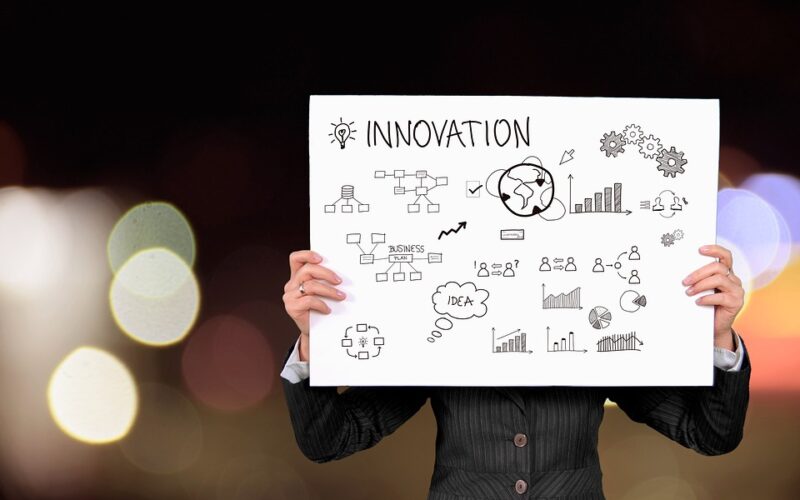
Creativity and innovation can lead to groundbreaking ideas and solutions in group projects. This heading will focus on ways to encourage team members to think outside the box, share diverse perspectives, and experiment with new approaches. Strategies such as brainstorming sessions, creative exercises, and seeking inspiration from outside sources will be explored to stimulate innovation within the team.
8. Building Trust and Cohesion
Trust and cohesion are essential for a cohesive and high-performing team. This heading will discuss the significance of building trust among team members, fostering a sense of camaraderie, and promoting a positive team culture. Strategies to enhance trust, such as setting clear expectations, showing appreciation, and resolving conflicts in a constructive manner, will be emphasized to strengthen team bonds.
9. Embracing Diversity and Inclusivity
Diversity in perspectives, backgrounds, and experiences can enrich group projects and lead to more robust outcomes. This heading will explore the benefits of embracing diversity and inclusivity within teams, acknowledging and celebrating differences, and creating a supportive environment for all team members. Strategies to promote inclusivity, such as actively listening to all team members, valuing diverse opinions, and addressing biases, will be highlighted.
10. Reflecting and Learning from Challenges
Challenges and setbacks are inevitable in group projects, but they also provide valuable learning opportunities for teams to grow and improve. This heading will focus on the importance of reflecting on challenges, identifying root causes, and implementing strategies to overcome similar obstacles in the future. Emphasizing a growth mindset, continuous improvement, and adapting based on past experiences will be key themes in this section.
—
Effective collaboration and communication are the cornerstones of successful group projects. By proactively addressing challenges, fostering a culture of inclusivity, and leveraging technology and innovative approaches, teams can achieve their goals and create impactful outcomes together.
#Navigating #Group #Projects #Handle #Challenges #Collaborating #Peers