







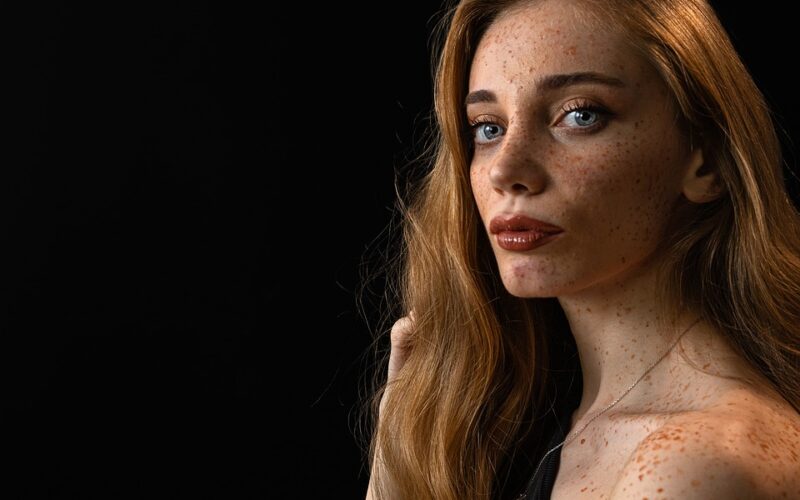
The Downside of Heavy Contouring: Keeping Makeup Natural
Makeup trends have evolved dramatically over the years, with contouring securing its place as a staple technique in many beauty routines. While it can enhance features and create a sculpted look, heavy contouring also has its downsides. This article delves into the negative aspects of heavy contouring, emphasizing the benefits of a more natural makeup approach.
The Psychological Impact of Contouring
Contouring can do wonders for enhancing facial structures, but it often comes with a psychological price. When individuals heavily contour their faces, they may inadvertently set unrealistic beauty standards for themselves and others. Social media platforms, primarily Instagram and TikTok, feature influencers flaunting flawless, contoured faces, which can create feelings of inadequacy in those who don’t achieve similar results.
Moreover, the pressure to conform to these idealized images can lead to a harmful cycles of self-esteem and body image issues. Many individuals may feel compelled to wear heavy makeup to feel attractive, potentially fostering reliance on external validation rather than self-acceptance. This can lead to a tumultuous relationship with makeup, where it transforms from a fun artistic expression into a means of concealment.
Skin Health and Heavy Makeup
One of the most significant downsides of heavy contouring is its impact on skin health. Layering multiple products, from cream contours to powders, can result in a clogged pore nightmare. Heavy makeup can trap dirt, grease, and bacteria on the skin, creating an environment conducive to breakouts, irritation, and even long-term skin issues.
Moreover, removing heavy contouring can be a challenge, leading to the potential for incomplete makeup removal. Residue can remain on the skin, further worsening its condition. Instead, opting for more natural makeup can allow the skin to breathe, leading to fewer breakouts and healthier skin overall. Ingredients found in lightweight formulations often provide additional skincare benefits, making natural makeup choices not only aesthetically pleasing but also beneficial for the skin’s health.
The Skill Set Required for Heavy Contouring
Heavy contouring is not merely about applying products; it’s an art form that requires time, patience, and skill. Mastering the techniques to apply contour properly is no simple feat. It often involves a deep understanding of one’s face shape, the right products to use, and how to blend effectively.
While some may enjoy the challenge of learning these techniques, others may find it daunting and frustrating. This can lead to inconsistent results, making the application process feel more like a chore than a pleasurable experience. On the contrary, the natural look often requires minimal skill, allowing individuals to feel empowered by simplicity rather than overwhelmed by complexity.
Cultural Appropriation and Contouring
Contouring is often rooted in various cultural practices used historically by different communities to accentuate beauty in diverse ways. However, the widespread adoption of contouring by mainstream beauty can sometimes overshadow its cultural significance. When individuals from one culture adopt and commercialize beauty practices from another, it can lead to discussions on cultural appropriation.
This appropriation can create an uneasy dynamic in the beauty community, potentially leading to feelings of exploitation among the cultures from which these techniques originate. The emphasis on heavy contouring can also overlook the beauty of diversity and individuality, as it tends to promote a homogenized beauty standard. Embracing natural beauty celebrates individuality and can lead to a richer understanding and appreciation of the myriad forms of beauty present in society today.
The Environmental Impact of Contouring Products
The beauty industry is facing increasing scrutiny regarding its environmental impact. Heavy contouring often requires multiple makeup products, including creams, powders, and setting sprays. The production and disposal of these products contribute significantly to carbon footprints and waste. Plastic packaging, chemical ingredients, and unsustainable sourcing of materials contribute to environmental degradation.
Choosing to keep makeup minimalistic not only benefits the skin but also the planet. By opting for a streamlined skincare and makeup routine, individuals can reduce their environmental impact. Brands that focus on sustainable ingredients and packaging are becoming more prevalent, allowing consumers to make choices that align with their values. The move toward natural makeup embraces not just a healthier aesthetic but also a commitment to environmental consciousness.
In light of these considerations, many makeup enthusiasts are beginning to shift toward embracing their natural beauty. The transition involves recognizing that makeup is a tool for enhancement rather than a mask to conceal imperfections. By fostering an environment that celebrates authenticity and individual beauty, we pave the way for healthier attitudes towards ourselves and our relationships with makeup.
The Historical Context of Contouring Techniques
Contouring is not a modern phenomenon; its roots can be traced back to ancient cultures where cosmetics were used to enhance beauty. The Egyptians utilized kohl to highlight their eyes, while the ancient Greeks used white lead to create a paler complexion. These practices laid the groundwork for today’s contouring techniques. Over the centuries, makeup has evolved, reflecting societal changes and shifting beauty ideals. Understanding this history provides insightful context into the current trend of contouring, reminding us that beauty practices are often cyclical and influenced by cultural shifts. In essence, contouring is a continuation of a long-standing tradition of using cosmetics to define and enhance one’s features.
Embracing Diversity in Beauty Standards
Heavy contouring often imposes a narrow beauty standard that many aspire to, which overlooks the rich diversity of beauty that exists across different cultures and body types. Celebrating individuality allows for a broader interpretation of beauty, where uniqueness is not just accepted but appreciated. The movement towards inclusivity in the beauty industry is gaining momentum, encouraging brands to create products that cater to various skin tones and types. By embracing a natural look, individuals can communicate that beauty comes in all forms, paving the way for more authentic, personal expressions of identity and style. This shift can foster community and belonging among individuals who might otherwise feel marginalized by prevailing beauty standards.
Cost-Effectiveness of Natural Makeup
Heavy contouring often requires a multitude of products—foundations, highlighters, bronzers, and brushes—which can add up in cost. In contrast, a natural makeup approach can be more cost-effective, emphasizing the use of fewer, versatile products. For example, a tinted moisturizer can provide coverage while allowing the skin to breathe. This approach encourages consumers to invest in quality over quantity, leading to better purchases that serve multiple purposes. With the rise of multifunctional products—like lip and cheek tints—individuals can simplify their beauty routines without sacrificing their desired look. This shift not only fosters financial wisdom among consumers but also promotes sustainability by advocating the use of fewer resources.
The Role of Social Media in Makeup Trends
Social media platforms like Instagram and TikTok have revolutionized the beauty industry by providing platforms for influencers and everyday users to showcase their makeup skills. While these platforms have democratized beauty trends, they also perpetuate unrealistic beauty standards, often glorifying heavy contouring and edited images. This can create a paradox where users feel pressured to conform to these ideals, leading to further self-esteem issues, as discussed earlier. The antidote lies in promoting authentic beauty and diversity within these platforms, encouraging users to share their natural looks and imperfections. As the narrative shifts towards self-acceptance, social media can become a vehicle for change, positively impacting mental health and self-image across its vast audience.
The Future of Beauty: Trends Towards Minimalism and Sustainability
The future of beauty lies in minimalism and sustainability. Consumers are increasingly requesting transparency in product ingredients, ethical sourcing, and environmentally friendly packaging. This trend reflects a growing awareness of the impacts of consumerism on both personal health and the planet. Brands that prioritize sustainability not only appeal to eco-conscious consumers, but they also pave the way for industry-wide changes. Natural beauty products that boast skincare benefits can address consumer demands for effective yet gentle formulations. As environmental concerns continue to rise, the industry is moving toward a future where minimalism and natural beauty aren’t just trends, but essential approaches that redefine beauty standards.
In light of the critiques surrounding heavy contouring and its implications on beauty standards, mental health, and the environment, it becomes increasingly vital for individuals to reevaluate their makeup habits. The overwhelming intricacies of high-contour techniques can detract from what makeup is meant to be: a tool for self-expression and enhancement. To steer away from undue pressure and unrealistic standards, embracing one’s natural beauty and simplifying makeup routines can be both liberating and empowering.
The natural approach allows for a more profound connection to self-acceptance and individual beauty. By focusing on enhancement rather than concealment, one can foster a healthier relationship with makeup, one that aligns more with authenticity and self-love.
In conclusion, the transition towards a natural approach in makeup can pave the way for healthier interactions within the beauty community and beyond.
Embracing natural beauty not only liberates us from the pressures of perfection but also honors the rich diversity that makeup can celebrate.
#Downside #Heavy #Contouring #Keeping #Makeup #Natural


