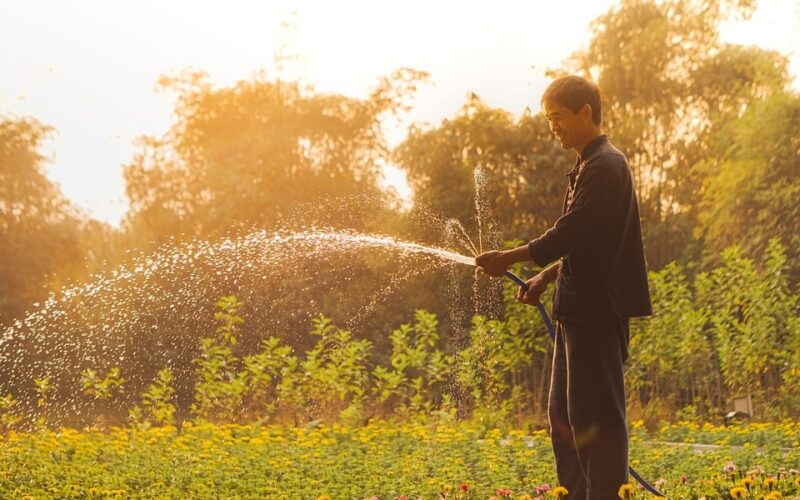
Understanding the Impact of Overwatering on Seasonal Plants
Overwatering can have detrimental effects on seasonal plants, as it can lead to root rot, suffocation, and decreased oxygen levels in the soil. When plants are overwatered, their roots are unable to access the necessary nutrients and oxygen they need to thrive. This can result in wilting, yellowing leaves, and overall poor plant health.
In addition, overwatering can also create a breeding ground for harmful pathogens such as fungi and bacteria, which can further weaken the plant and make it more susceptible to disease. This can ultimately lead to the death of the plant if not addressed promptly.
To prevent overwatering, it is important to ensure that the soil has proper drainage and to water plants only when the top inch of soil is dry. It is also helpful to use a moisture meter to accurately gauge the moisture levels in the soil and avoid overwatering.
The Dangers of Underwatering your Seasonal Plants
Underwatering can also have negative effects on seasonal plants, as it can lead to dehydration, wilting, and stunted growth. When plants are underwatered, they are unable to absorb enough water to support their growth and nutrient uptake. This can result in dry, brittle leaves, and a weakened root system.
In addition, underwatering can also make plants more susceptible to pest infestations and diseases, as their defenses are weakened due to lack of proper hydration. This can further stress the plant and lead to poor overall health.
To prevent underwatering, it is important to regularly monitor the moisture levels in the soil and water plants as needed. It is also helpful to use a watering schedule based on the specific needs of each plant, taking into account factors such as soil type, temperature, and humidity.
Finding the Right Balance: Tips for Proper Watering of Seasonal Plants
To ensure the health and vitality of your seasonal plants, it is crucial to find the right balance between overwatering and underwatering. Here are some tips to help you properly water your plants:
1. Understand the specific needs of each plant: Different plants have different water requirements, so it is important to research the individual needs of each plant in your garden. Some plants may require more frequent watering, while others may prefer drier conditions.
2. Use the right watering technique: It is important to water plants at the base, near the roots, to ensure that the water is absorbed efficiently. Avoid overhead watering, as this can lead to evaporation and wastage of water.
3. Monitor soil moisture levels: Regularly check the moisture levels in the soil to determine when your plants need to be watered. Use a soil moisture meter or simply stick your finger into the soil to feel for moisture.
4. Adjust watering frequency based on environmental factors: Factors such as temperature, humidity, and sunlight can affect how quickly plants dry out. Adjust your watering schedule accordingly to ensure that your plants receive the right amount of water.
5. Consider using mulch: Mulch can help to retain moisture in the soil and regulate temperature, reducing the need for frequent watering. Apply a layer of mulch around the base of your plants to help conserve water.
Signs of Overwatering and Underwatering in Seasonal Plants
Being able to recognize the signs of overwatering and underwatering in your seasonal plants is key to maintaining their health and preventing damage. Here are some common signs to look out for:
Signs of Overwatering:
– Wilting, yellowing leaves
– Root rot or mushy roots
– Mold or fungus growth on the soil surface
– Stagnant water pooling around the base of the plant
Signs of Underwatering:
– Dry, brittle leaves
– Stunted growth or wilting
– Leaves turning brown or curling at the edges
– Soil pulling away from the sides of the pot
If you notice any of these signs in your plants, adjust your watering practices accordingly to address the issue and prevent further damage.
The Importance of Proper Watering for Seasonal Plant Health
Proper watering is essential for the health and vitality of your seasonal plants, as it ensures that they receive the necessary nutrients and hydration to thrive. By finding the right balance between overwatering and underwatering, you can help your plants grow strong and healthy throughout the season.
Remember to monitor soil moisture levels, adjust your watering schedule based on environmental factors, and pay attention to the signs of overwatering and underwatering in your plants. With proper care and attention, your seasonal plants will flourish and bring beauty to your garden all season long.
Understanding the Impact of Sunlight on Seasonal Plants
Sunlight is a crucial factor in the growth and development of seasonal plants. Different plants have varying requirements for sunlight, with some preferring full sun exposure and others thriving in partial shade. Understanding the specific sunlight needs of each plant in your garden is essential for ensuring their health and vitality.
Plants that receive inadequate sunlight may exhibit symptoms such as leggy growth, pale leaves, and reduced flowering or fruit production. On the other hand, plants that receive too much sunlight can experience sunburn, leaf scorch, and wilting. By providing the right amount of sunlight based on the individual needs of your plants, you can promote optimal growth and overall health.
To maximize sunlight exposure for your seasonal plants, consider factors such as the orientation of your garden, the presence of nearby trees or structures that may create shade, and the intensity of sunlight throughout the day. Adjust the placement of your plants accordingly to ensure they receive the right amount of sunlight for their specific requirements.
The Role of Temperature in Seasonal Plant Growth
Temperature is another important factor that can impact the growth and health of seasonal plants. Different plants have different temperature preferences, with some being more cold-hardy and others thriving in warmer climates. Understanding the temperature requirements of your plants can help you create an optimal growing environment for them.
Plants that are exposed to extreme temperatures, whether hot or cold, may experience stress, wilting, and leaf damage. Frost can be particularly damaging to sensitive plants, leading to cell damage and even death. To protect your plants from temperature extremes, consider using frost cloth, mulch, or other protective measures when necessary.
Monitoring the temperature in your garden and adjusting your care practices accordingly can help you ensure the health and vitality of your seasonal plants. Consider factors such as temperature fluctuations throughout the day, seasonal changes, and microclimates within your garden when determining the best course of action to support your plants.
The Influence of Soil Quality on Seasonal Plant Health
Soil quality plays a significant role in the growth and development of seasonal plants, as it directly impacts their ability to access nutrients, water, and oxygen. Different plants have varying soil preferences, with some requiring well-draining soil and others thriving in more moisture-retentive conditions.
Plants that are grown in poor-quality soil may exhibit symptoms such as stunted growth, yellowing leaves, and nutrient deficiencies. Compacted soil can also restrict root growth and hinder nutrient uptake, leading to poor plant health. To improve soil quality for your plants, consider incorporating organic matter, such as compost or aged manure, to enhance nutrient content and promote better drainage.
Regularly testing the pH and nutrient levels of your soil can help you identify any deficiencies or imbalances that may be affecting your plants. Adjusting your soil amendment practices based on the specific needs of your plants can help you create an optimal growing environment and support their overall health and vitality.
The Importance of Proper Pruning for Seasonal Plant Health
Proper pruning is essential for maintaining the health and appearance of seasonal plants, as it helps to remove dead or diseased branches, promote new growth, and shape the plant for optimal growth. Different plants have varying pruning requirements, with some benefitting from regular pruning to encourage flowering or fruit production, and others requiring minimal pruning to maintain their natural form.
Pruning at the wrong time or using improper techniques can lead to damage, disease entry points, and reduced flowering or fruiting. To ensure the health of your plants, research the specific pruning requirements for each plant in your garden and follow best practices for timing, tools, and technique.
Regularly inspecting your plants for signs of disease, pest infestations, or structural issues can help you identify when pruning is necessary. By maintaining a consistent pruning schedule and following proper guidelines, you can promote the health and vitality of your seasonal plants and enhance their overall appearance in your garden.
Integrated Pest Management for Seasonal Plant Protection
Integrated Pest Management (IPM) is a holistic approach to pest control that focuses on prevention, monitoring, and control methods to minimize the use of chemical pesticides and protect the health of seasonal plants. By combining cultural, biological, and mechanical control techniques, gardeners can effectively manage pest populations and reduce the risk of damage to their plants.
Identifying common pests in your garden, such as aphids, mealybugs, or caterpillars, and monitoring their populations can help you determine the best course of action for control. Implementing techniques such as handpicking, pruning, or introducing beneficial insects can help reduce pest numbers without the need for chemical intervention.
Creating a diverse and balanced ecosystem in your garden, with a mix of plant species and beneficial insects, can help naturally suppress pest populations and promote biodiversity. Regularly inspecting your plants for signs of pest damage and taking proactive measures to manage infestations can help you protect the health and vitality of your seasonal plants while minimizing the environmental impact of pest control practices.
Proper care and attention to the specific needs of your seasonal plants, including factors such as sunlight exposure, temperature, soil quality, pruning, and pest management, can help you create a thriving garden that brings beauty and enjoyment throughout the season.
#Overwatering #Underwatering #Finding #Balance #Seasonal #Plants