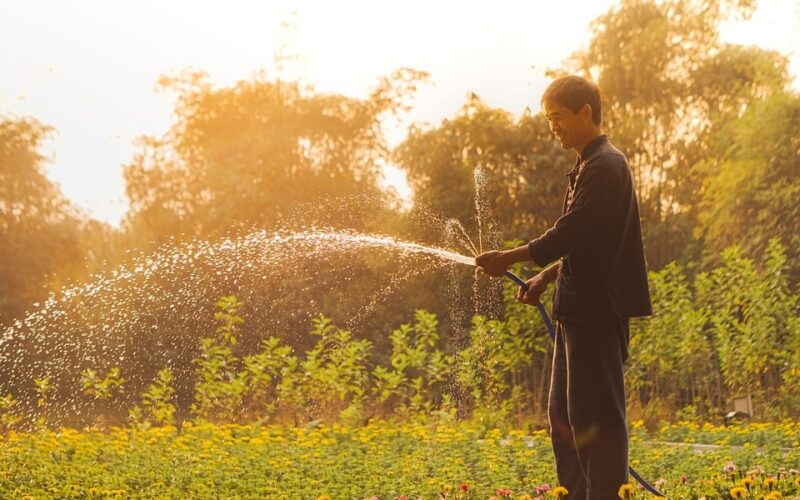
Overwatering and Underwatering: Finding the Right Balance for Your Garden
Gardening is a rewarding but often challenging endeavor. One of the most crucial aspects of maintaining a healthy garden is understanding how to properly water your plants. Overwatering and underwatering are two common pitfalls that can lead to plant stress, disease, and ultimately, garden failure. This article delves into the intricacies of finding the right balance for watering your garden, enabling you to cultivate healthier and more vibrant plants.
Understanding Plant Water Requirements
Plants, like all living organisms, require water to survive. However, their water needs can vary significantly based on a range of factors, including plant species, soil type, climate, and growth stage.
Each plant has its own specific requirements for water, making it essential for gardeners to familiarize themselves with the needs of their chosen flora. For instance, succulent plants like cacti thrive in arid conditions and require infrequent watering, while tropical plants crave consistently moist soil.
The soil type also plays a vital role in determining how much water is retained. Sandy soils drain quickly, necessitating more frequent watering, while clay soils retain moisture longer, which may require less frequent irrigation. Additionally, environmental factors such as temperature and humidity can affect evaporation rates, impacting how often and how much you need to water your plants. Understanding these variables will aid in tailoring your watering practices to suit your garden’s specific needs.
Signs of Overwatering
Overwatering is a common issue that can have devastating effects on plants. Recognizing the signs early can help save your garden from significant damage.
One primary indicator of overwatering is yellowing leaves, which often develop dark brown or black spots. This condition, known as leaf scorch, is typically a result of root rot and poor drainage. Another tell-tale sign is wilting, as waterlogged soil restricts oxygen flow to the roots, making it difficult for them to absorb nutrients.
Additionally, you may notice a foul smell coming from the soil, a clear indication of anaerobic bacteria thriving in overly wet conditions. If you observe excessive moisture on the surface of the soil, this is yet another clear sign of overwatering. Regularly checking your plants and soil for these symptoms will help you maintain optimal moisture levels and safeguard against the adverse effects of overwatering.
Signs of Underwatering
Underwatering can be just as detrimental to your garden’s health as overwatering. Recognizing the signs of dehydration is equally important to ensure your plants flourish.
One of the first signs of underwatering is drooping leaves, which indicates that a plant is struggling to maintain its turgor pressure. The leaves may also become crispy and brittle, leading to premature leaf drop. In extreme cases, the plant may develop stunted growth, as its limited access to water hampers nutrient absorption and metabolic functions.
You may also notice that the soil feels dry to the touch and cracks may even form on the surface. Regularly inspecting your plants and their growing conditions will help you catch these indicators early, allowing you to adjust your watering technique to ensure adequate moisture.
Finding the Right Watering Schedule
Creating a watering schedule is essential for striking the right balance between overwatering and underwatering. However, a one-size-fits-all approach rarely works due to the previously mentioned factors. Instead, gardeners should focus on developing individualized schedules based on their garden’s specific needs.
It’s beneficial to water early in the morning or late in the evening when temperatures are cooler and evaporation rates are minimized. This practice allows plants to absorb water efficiently and minimizes the risk of fungal infections from prolonged moisture on the foliage.
Additionally, consider using deep watering techniques. Instead of frequent shallow waterings, aim to allow water to penetrate deeper into the soil, encouraging roots to grow downwards. This will strengthen plants and increase drought resilience. A simple rule of thumb for most garden plants is to adjust watering frequency based on rainfall, aiming for about 1 to 1.5 inches of water per week, including rainfall.
Utilizing Technology and Tools for Optimal Watering
With the advancement of gardening technology, several tools can assist in achieving optimal watering practices. Moisture meters, for example, can help you gauge soil moisture levels and provide a more accurate reading of when to water. These devices take the guesswork out of watering and reduce the risks associated with over- or underwatering.
Drip irrigation systems are another effective solution, delivering water directly to the plant roots while minimizing evaporation and runoff. This method is especially useful in large gardens or for plants with specific watering needs.
Rain gauges can also be useful to track precipitation and adjust your water schedule accordingly. Incorporating these tools and technologies into your gardening routine can ensure that your plants receive the right amount of moisture, leading to a healthier and more vibrant garden.
By understanding plant water requirements, recognizing signs of overwatering and underwatering, creating a tailored watering schedule, and leveraging technology, you can achieve that crucial balance for your garden. Nurturing your plants with the right amount of water will yield lush foliage, vibrant blooms, and a thriving outdoor oasis.
Watering Techniques: Manual vs. Automatic
Proper watering techniques can significantly affect the health of your plants. Manual watering, while more hands-on, allows you to observe your plants closely and adjust your watering based on immediate needs. It encourages gardeners to develop a keen eye for signs of stress, enabling timely interventions. However, with busy schedules, automatic systems such as timers for hose sprinklers or drip irrigation can ensure consistent moisture levels. Automatic systems can be programmed to deliver water during optimal times, reducing evaporation risks and ensuring plants receive adequate water even when you’re unavailable. Each technique has its pros and cons, and understanding the best method for your gardening style can enhance plant health.
Soil Health and Its Impact on Water Retention
The health of your soil plays a critical role in how effectively water is retained. Soil structure, composition, and the presence of organic matter can heavily influence moisture availability to plant roots. Loamy soils, which contain a balanced mix of sand, silt, and clay, are ideal for water retention and drainage. In contrast, poor soil health can lead to issues like compacting, which restricts root growth and diminishes water absorption. Regularly amending soil with organic matter, such as compost, can enhance its water-holding capacity and nutrient content. Consider conducting soil tests to understand its structure better and determine the amendments needed for optimal health.
Seasonal Changes and How They Affect Watering Needs
Watering needs can fluctuate dramatically across different seasons. For example, in the spring and summer, when temperatures rise and plants enter their growth phase, water requirement typically increases. Conversely, in fall and winter, many plants go dormant, which calls for less frequent watering. Additionally, weather patterns can affect these needs; unexpected rain or storms can temporarily reduce the need for irrigation. Keeping a garden journal to track weather conditions and plant responses can help you adjust your watering schedule based on seasonal changes effectively.
Choosing the Right Plants: Drought-Resistant Options
Selecting plants that suit your garden’s climate can mitigate the challenges of over- and underwatering. Drought-resistant plants, such as succulents and native species, have evolved to thrive in low-water conditions, minimizing the need for frequent irrigation. These plants not only require less maintenance but also enhance biodiversity in your garden. By opting for varieties suited to your local climate, you can create a more resilient garden that withstands fluctuations in water availability while supporting local wildlife and ecosystems.
Water Quality: Its Importance for Plant Health
Water quality can significantly impact plant growth. Contaminants such as chlorine, fluoride, and heavy metals can harm sensitive plants or limit their growth. It’s essential to use clean, fresh water, ideally rainwater or well water, for your irrigation needs. If tap water is your go-to source, consider letting it sit for 24 hours before use, allowing chlorine to dissipate. Soil tests can also reveal any heavy metal content, offering insights that can guide your watering strategy. Understanding the implications of water quality ensures that your plants receive the best conditions for growth and vitality.
—
Watering your garden optimally requires a multifaceted approach that incorporates a variety of techniques and considerations. From understanding your plants’ specific needs and recognizing signs of distress to adapting your watering schedule based on seasonal shifts and examining the quality of your water, every detail matters. Harnessing technology, cultivating healthy soil, and choosing the right plants further contribute to creating a lush, thriving garden.
By focusing on every aspect of watering—from techniques to seasonal adjustments, soil health to plant selection—you position yourself to cultivate an outdoor oasis that flourishes throughout the seasons.
Finding the right balance in watering not only nurtures healthy plants but also transforms your garden into a vibrant sanctuary.
#Overwatering #Underwatering #Finding #Balance #Garden