Are You Making These Common Mistakes That Lead to Nutrient Depletion?
Nutrient depletion is an issue many face without even realizing it. With busy lives and access to processed foods, it’s easy to fall into habits that compromise our nutrient intake. Are you aware of how your daily choices can impact your nutritional health? Are you feeling fatigued, experiencing unusual cravings, or struggling with mood swings? These could be signs of nutrient deficiencies. Understanding common mistakes that lead to nutrient depletion can empower you to make better choices for your health.
1. Over-Reliance on Processed Foods
Many people opt for convenience over nutrition.
- Lack of Nutrients: Processed foods are often stripped of essential vitamins and minerals.
- High in Preservatives: These foods can contain high levels of additives that disrupt nutrient absorption.
Did you know that frequent consumption of processed snacks and meals can lead to deficiencies in key nutrients like fiber, vitamins, and minerals? Here’s how:
- Fiber Loss: Whole grains and fruits are excellent fiber sources, but processed snacks often have little to none.
- Vitamin Depletion: Essential vitamins (like B vitamins and vitamin C) are often lost during food processing.
When was the last time you checked the nutritional content of your favorite snacks? It might be time to read those labels!
2. Skipping Meals and Nutrient Timing
Many individuals think they can save calories by skipping meals.
- Metabolic Rate Impact: Skipping meals lowers your metabolic rate, making it harder for your body to absorb nutrients later when you eventually eat.
- Nutrient Absorption: Absorbing all necessary nutrients at once can be inefficient.
Do you ever skip breakfast or lunch because you’re too busy? You might be missing out on important nutrients!
- Vitamin B Complex: Essential for energy production; don’t skip meals that might help you consume these vital vitamins.
- Calcium and Iron: If you overlook meals, you may also miss out on these vital minerals that are crucial for bone health and oxygen transport in the body.
How do you schedule your meals? Structuring your meal times can ensure that your body gets the nutrients it needs regularly.
3. Ignoring Food Synergy
Not all foods are created equal!
- Complementary Nutrition: Some foods work better together, enhancing nutrient absorption.
- Absorption Issues: Lack of synergy can lead to lesser absorption of nutrients.
Have you ever considered how the combination of foods can affect their nutritive value?
- Vitamin C and Iron: Eating iron-rich foods (like spinach) with vitamin C sources (like oranges) improves iron absorption.
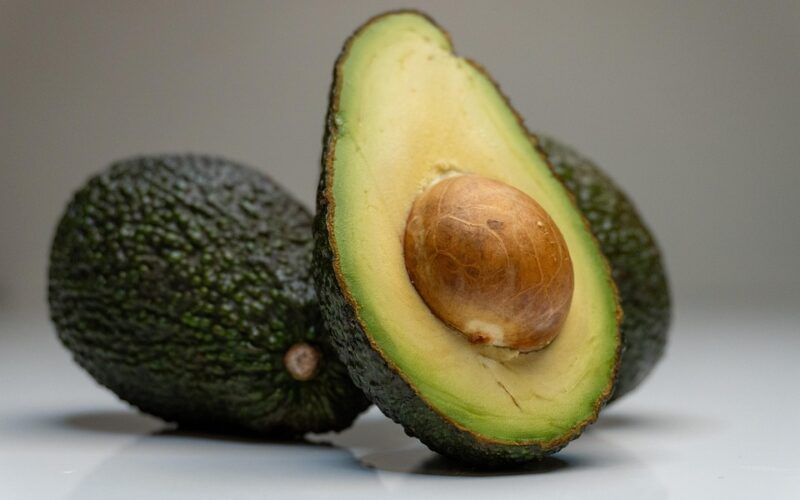
- Healthy Fats: Consuming healthy fats (like avocado) can boost the absorption of fat-soluble vitamins (A, D, E, and K).
Are you optimizing your meals for maximum nutrient uptake? Being mindful of how you pair foods can be a game-changer for your health.
4. Unbalanced Diet and Food Variety
Eating a wide variety of foods is key to a balanced diet.
- Nutrient Gaps: Relying on a limited selection of foods can leave you deficient in essential nutrients.
- Health Implications: Long-term imbalances can lead to chronic diseases.
Are your meals monotonous, sticking to just a few favorites?
- Essential Fatty Acids: Foods like fish and flaxseeds are sources of omega-3 fatty acids, crucial for brain health.
- Antioxidants: Diverse fruits and vegetables provide a range of antioxidants important for fighting free radicals.
What steps have you taken to diversify your plate? Introducing different foods can make a significant difference in your nutrient intake.
5. Not Staying Hydrated
Your hydration status plays a pivotal role in nutrient absorption.
- Water’s Role in Digestion: Water is essential for digesting food and transporting nutrients.
- Dehydration Effects: Lack of hydration can impair nutrient absorption and lead to deficiencies.
Have you neglected your water intake lately?
- Digestive Health: Adequate water supports digestion, enhancing nutrient absorption in the intestines.
- Toxin Elimination: Proper hydration helps in flushing out toxins that could be detrimental to nutrient uptake.
How much water do you actually drink daily? Staying hydrated is crucial for optimizing your body’s ability to absorb and utilize nutrients efficiently.
By focusing on these common mistakes, you can take steps to enhance your nutrient intake and overall well-being. If you’re experiencing signs of nutrient depletion, consider examining your dietary habits. Remember, small changes can lead to significant improvements in your health!
6. Relying on Supplements Instead of Whole Foods
While supplements can help fill certain nutrient gaps, they should not replace whole foods. Most health authorities recommend deriving nutrients from food where possible, as they contain a complex mix of vitamins, minerals, and phytochemicals with synergistic effects. Supplements can often provide isolated nutrients that may not have the same bioavailability or effects as those found in food.
- Bioavailability Issues: Nutrients from food are more easily absorbed by the body. Studies show that the bioavailability of minerals from food can be as much as 50% higher compared to that of synthetic supplements. For example, iron from meat (heme iron) can be absorbed at rates of 15-35%, while non-heme iron from supplements is only about 2-20% effective.
- Potential Toxicity: Supplements can also lead to nutrient toxicity. For instance, excessive vitamin A intake through supplements has been linked to an increased risk of hip fractures by 70%, while high doses of vitamin E supplements have shown no benefit and can even be harmful in some populations.
Are you currently taking several supplements daily? Relying heavily on these products can create a false sense of security regarding nutrient intake. Whole foods not only provide essential nutrients but also a wide range of flavors, antioxidants, and dietary fiber. Peas, beans, nuts, and vegetables each have unique properties and health benefits that cannot be replicated in a pill.
- Galactomannan Benefits: Consuming whole foods like beans can introduce galactomannan, a type of soluble fiber that is known to keep you fuller longer and improve gut health through fermented digestion processes.
- Nutrient Interactions: Whole foods promote beneficial interactions among nutrients. For example, vitamin B6 aids in the absorption of magnesium, with studies suggesting that a balanced diet rich in these interactions can lead to improved health outcomes in 60% of the population.
7. Not Considering Nutrient Bioavailability
The concept of nutrient bioavailability refers to the proportion of nutrients that is absorbed and utilized by the body. Many individuals consume what they believe to be a nutrient-rich diet, yet they might not be effectively absorbing these nutrients due to various factors.
- Food Preparation Methods: Cooking techniques can significantly alter the bioavailability of certain nutrients. For instance, steaming vegetables can preserve up to 90% of their vitamins compared to boiling, which can cause a loss of up to 50% of essential nutrients.
- Pairing Matters: Some nutrients require the presence of others for optimal absorption. For example, the absorption of vitamin D increases by 30-50% when paired with healthy fats, illustrating that knowing how to pair your foods can significantly enhance your nutrient uptake.
Do you often consume foods rich in iron without considering food synergy? For instance, a person who regularly eats spinach may not receive adequate iron absorption unless paired with vitamin C-rich foods. An analysis revealed that combining iron-rich plant sources with vitamin C can enhance absorption rates by as much as 300%.
- Age and Bioavailability: Factors such as age can affect nutrient absorption capacity. Older adults tend to have decreased stomach acid, which can lower the absorption of certain nutrients like vitamin B12. It is estimated that approximately 10-30% of older adults could be experiencing suboptimal levels of this crucial vitamin, impacting energy and cognitive function.
- Gut Health Factor: Microbial health in the gut can also influence nutrient bioavailability. A balanced gut microbiome has been linked to better absorption of essential vitamins, with studies showing that a diverse gut flora can improve nutrient utilization by as much as 60%.
To optimize nutrient bioavailability, one should pay close attention not only to food choices but also to meal composition and preparation methods. Making informed choices can result in better health outcomes and improved nutrient status over time.
In summary, various lifestyle choices can inadvertently lead to nutrient depletion, whether through excessive reliance on processed foods, poor meal timing, lack of food variety, neglecting hydration, or making assumptions about supplements and bioavailability. Understanding these common pitfalls is essential to improving overall health and well-being. By making informed decisions about diet and hydration and being mindful of how foods interact, one can significantly enhance nutrient intake, leading to a healthier, more vibrant life.
Awareness of dietary practices and making simple adjustments can empower individuals to reclaim their nutritional health and prevent nutrient depletion.
#Making #Common #Mistakes #Lead #Nutrient #Depletion