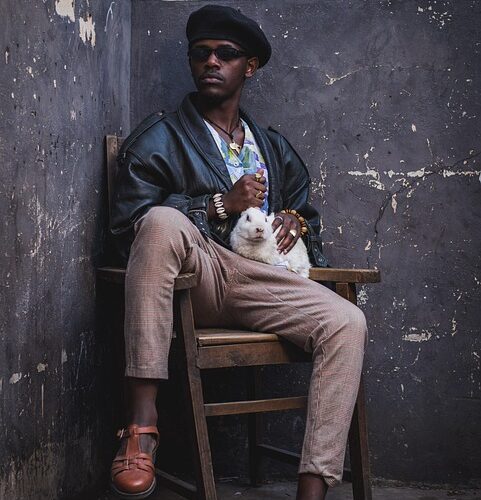
The Dilemma of Ethical Labor Practices in the Fashion Industry
The fashion industry exists at the intersection of creativity and commerce, yet it is fraught with ethical dilemmas, particularly concerning labor practices. As brands strive for profitability and rapid production, questions arise about the working conditions, wages, and dignity of workers in the supply chain. This examination of ethical labor practices dives deep into a multifaceted issue that impacts millions worldwide and shapes consumer consciousness.
Understanding the Supply Chain Complexity
The fashion supply chain is an intricate web that often spans multiple countries and regions. From raw material sourcing to design and manufacture, various stakeholders contribute to bringing a product from concept to consumer. However, this complexity often obscures labor issues. Many brands outsource production to factories in developing countries due to lower labor costs. While this can boost local economies, it often leads to exploitative practices.
The layers of the supply chain include cotton farmers, textile mills, garment manufacturers, and retailers, each relying on the others. This system can create a disconnect where brands may claim ignorance about labor conditions in the factories they use. For instance, a major retailer may source from a factory that relies on child labor, yet the brand may have no direct oversight or knowledge of these practices. Moreover, legal frameworks vary significantly across countries, complicating accountability for unethical labor practices.
Workers’ Rights and Conditions
At the heart of ethical labor dilemmas are the rights and conditions of garment workers. Many workers face long hours, minimal wages, and unsafe working environments. Reports from organizations such as Human Rights Watch and the International Labor Organization indicate high incidences of labor rights violations in apparel factories. Workers often labor in hazardous conditions, lacking access to clean water, appropriate safety gear, and breaks.
Additionally, many workers, especially women, contend with discrimination and harassment. They may also be denied basic rights such as freedom of association, preventing them from forming unions and advocating for their rights. The power imbalance in employer-employee relationships often exacerbates these issues, rendering workers vulnerable and voiceless. The garment industry’s reliance on cost-cutting measures frequently leads to a “race to the bottom,” prioritizing profit over people.
The Role of Fast Fashion
Fast fashion has transformed the way consumers engage with clothing. Brands like Zara and H&M have revolutionized the fashion cycle, creating an environment where trends change rapidly, and clothing is often discarded after only a few wears. This business model relies heavily on cheap labor and mass production, thus contributing to labor exploitation.
The relentless demand for low-cost, trendy clothing pushes manufacturers to cut corners, often at the expense of workers. These brands commonly use poor quality labor to keep prices low, leading to low wages and inadequate working conditions. Fast fashion amplifies trends but often leaves behind a trail of unethical practices that society ignores in their quest for cheap products. The short lifecycle of products also contributes to an environmental crisis, as discarded clothes often end up in landfills.
Consumer Awareness and Responsibility
As knowledge of labor conditions spreads, consumers are becoming increasingly aware of the impact of their purchasing decisions. Social media plays a crucial role in this awareness, as reports of unethical practices in the fashion industry can go viral, prompting public outcry. The "slow fashion" movement has emerged as a counter to fast fashion, advocating for ethically made clothing and sustainable materials.
Consumers are urged to consider the origins of their clothing and the conditions under which it was made. Transparency in the supply chain has become a critical demand from consumers who want to support brands that prioritize ethical labor practices. However, while awareness is rising, the challenge remains: many consumers still prioritize price and convenience over ethical considerations. The dilemma continues when consumers find it difficult to balance their values with market availability.
The Future of Ethical Labor in Fashion
The future of ethical labor practices in the fashion industry hinges on various stakeholders, including brands, consumers, and policymakers. Innovative solutions are emerging, such as blockchain technology, which enhances transparency and allows consumers to trace the origins of their clothing. Initiatives by organizations like the Ethical Fashion Initiative and the Fair Trade movement aim to improve labor conditions and empower workers.
Brands committed to ethical practices are making strides by adopting fair wages, safe working conditions, and transparent supply chains. The rise of sustainable and ethical brands indicates a shift in market demand. However, these changes must be widespread and ingrained in the practices of all fashion brands for significant advancements to occur.
Industry stakeholders must collaborate to create regulatory frameworks that ensure fair labor practices are not just a marketing strategy but a norm. This collective effort could reshape the fashion landscape, prioritizing human rights and sustainability over profit margins.
As the discussion around ethical labor practices continues, it becomes clear that this is not merely a niche issue but a critical concern that reflects broader societal values. The choices made in fashion today impact millions of lives and the planet, emphasizing the need for a conscientious approach to consumption and production.
The Impact of Globalization on Labor Practices
Globalization has increased interconnectedness among nations, profoundly affecting labor practices in the fashion industry. In pursuit of lower production costs, many brands shift their manufacturing to countries with fewer labor regulations. This trend has created a race to the bottom, where the appeal of global markets leads companies to exploit labor in under-regulated environments. While globalization can bring economic development to developing countries, it also tends to undermine the rights of workers through inadequate legal protections. Multinational corporations, often shielded by their complexity, may evade accountability, perpetuating a cycle of exploitation that is difficult to break.
The Role of Certification and Standards
Various certification and standard programs have emerged to address labor rights within the fashion industry. Certifications like Fair Trade, Global Organic Textile Standard (GOTS), and Ethical Trading Initiative offer brands ways to verify and promote their ethical practices. These programs often require compliance with specific labor conditions, such as fair wages and safe working environments, thereby providing a framework for accountability. However, the effectiveness of these certifications relies heavily on rigorous monitoring and adherence. Brands can sometimes use these certifications as marketing tools without truly committing to ethical practices, obscuring the reality for consumers. Implementing strict guidelines and transparency could enhance the credibility of these certifications.
Technological Innovations in Monitoring Labor Practices
Advancements in technology, including artificial intelligence and data analytics, are increasingly playing a critical role in monitoring labor practices in the fashion industry. Tools that facilitate real-time tracking of supply chains can provide visibility into factory conditions, enabling brands to ensure compliance with labor laws. Innovations such as mobile applications allow workers to report grievances directly to monitoring bodies, thus providing a platform for voicing concerns that may otherwise go unheard. While these technologies offer promise, reliance on them must be tempered with human oversight to ensure ethical standards aren’t just a checklist but a reality on the ground.
The Role of NGOs and Activism
Non-Governmental Organizations (NGOs) and activist groups play an essential role in raising awareness of labor issues in the fashion sector. Organizations like Amnesty International and Human Rights Watch investigate and report on labor abuses, bringing critical attention to unethical practices within the fashion supply chain. Activists mobilize public pressure against brands, often using social media campaigns, petitions, and protests to hold companies accountable. The rise of socially conscious consumers has spurred brands into action, albeit reactively. Collaboration between NGOs and brands can pave the way for meaningful change by fostering dialogue and encouraging ethical practices that are both sustainable and profitable.
The Importance of Education in Promoting Ethical Labor
Education is a foundational element in promoting ethical labor practices in the fashion industry. Raising awareness among consumers about the implications of their purchasing choices can lead to more responsible consumption. Educational initiatives can also help train industry stakeholders—designers, manufacturers, and retailers—on ethical practices and compliance with labor laws. As the conversation around sustainable fashion grows, integrating ethical labor education into design programs and business curricula is increasingly vital. Awareness and understanding can drive consumer choices that prioritize ethical considerations, creating a market where responsible practices are the norm rather than the exception.
### Summary
The fashion industry sits at a complex crossroads of creativity and commerce, grappling with ethical challenges primarily linked to labor practices. A labyrinthine supply chain often obscures the conditions under which clothing is made, highlighting issues regarding worker rights, wages, and safety. The emergence of fast fashion exacerbates these dilemmas, pressuring manufacturers to prioritize speed and cost over ethical considerations. However, an increasing consumer awareness, spurred by social media and activism, has prompted a growing demand for more ethical labor practices. Stakeholders, including brands, consumers, and policymakers, must collaborate and innovate to create more transparent and responsible systems. Technological advancements and certifications are critical, although reliant on genuine commitment, while education stands as a key pillar for fostering an informed consumer base. The future of ethical labor in fashion doesn’t hinge solely on regulations but rather reflects societal values, urging collective responsibility for the welfare of millions of workers globally.
As we navigate the complexities of the fashion industry, it becomes increasingly clear that a commitment to ethical labor practices is not just a responsibility but a moral imperative for all stakeholders involved.
#Dilemma #Ethical #Labor #Practices #Fashion #Industry