The Protein Predicament: Finding Alternatives for Vegetarians and Vegans
In a world increasingly leaning towards plant-based diets, the concern over protein intake can create barriers for many vegetarians and vegans. Are you worried about getting enough protein on a meat-free diet? What are the best alternatives available? This article explores the various sources of protein for those choosing to live without animal products.
Understanding Protein Needs
Protein is essential for a variety of bodily functions, including muscle repair and growth. But how much protein do you really need?
-
Daily Requirements:
- Adult men and women generally require 46-56 grams of protein per day.
- Those involved in regular physical activity may need more protein to support muscle recovery.
- Sources of Protein:
- It’s crucial to diversify your sources. Are you aware of both animal and plant-based options?
- While meat, dairy, and eggs are high in protein, many vegetarians and vegans seek alternatives that meet their nutritional needs without compromising their principles.
Plant-Based Protein Sources: A Rich Variety
Many plant-based foods are surprisingly rich in protein.
-
Legumes:
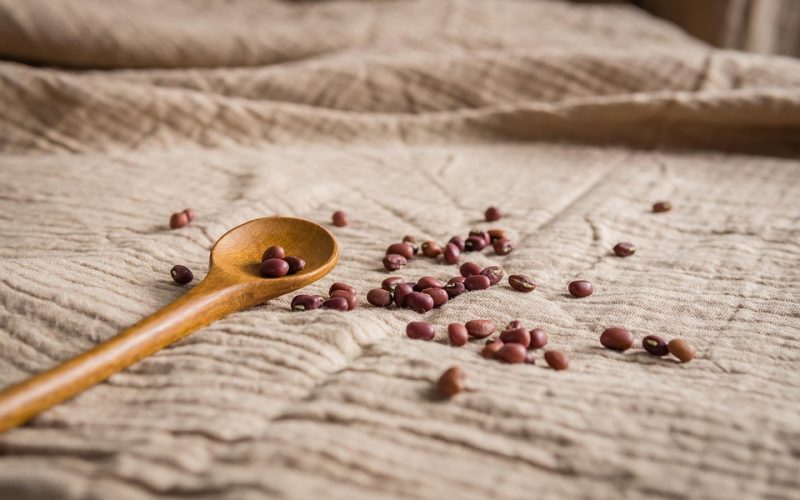
- Beans, lentils, and chickpeas are not only high in protein but also in fiber.
- For instance, 1 cup of cooked lentils contains around 18 grams of protein.
-
Nuts and Seeds:
- Almonds, chia seeds, and hemp seeds are excellent snack options packed with protein.
- Just 1 ounce of almonds offers 6 grams of protein.
-
Whole Grains:
- Quinoa and brown rice are both nutritious as well as protein-rich.
- Quinoa contains about 8 grams of protein per cup when cooked.
-
Soy Products:
- Tofu, tempeh, and edamame are incredible alternatives to meat offering substantial protein.
- For example, 1 cup of tempeh includes about 31 grams of protein.
- Springing New Ideas:
- Are you exploring creative recipes to include these sources? Incorporating protein-rich ingredients into smoothies, soups, and salads can make for vibrant and fulfilling meals.
The Lack of Complete Proteins: What You Should Know
One challenge many vegetarians and vegans face is the idea of complete proteins.
-
What are Complete Proteins?:
- Complete proteins contain all nine essential amino acids that our bodies cannot produce.
- Animal products are typically complete, but can you obtain them from plants?
-
Combining Foods:
- While many plant proteins are classified as incomplete, combining them can yield a complete protein profile.
- For example:
- Rice and beans: Together, they fill in amino acid gaps.
- Peanut butter on whole-grain bread: Another excellent combination.
- Quality over Quantity:
- Focus on incorporating a variety of sources. Have you considered the nutritional quality of every food you consume?
- Using grains, nuts, seeds, and legumes can create a diverse intake that meets your protein requirements effectively.
Supplementing a Plant-Based Diet: Is It Necessary?
If you’re feeling uncertain about your protein intake, you may wonder whether supplements are an option.
-
Protein Powders:
- Available in various forms, including pea and brown rice protein, these can help increase your intake efficiently.
- How can protein powders fit into your lifestyle?
- Consider adding them to smoothies, oatmeal, or energy bars.
-
Nutritional Yeast:
- This flavor-enhancing ingredient is packed with protein and B-vitamins.
- It can be easily sprinkled on popcorn, pasta, or salads.
-
Fortified Foods:
- Many plant-based products are fortified to provide additional protein, such as soy milk and mock meats.
- Are you paying attention to these options when shopping?
- When to Consult a Doctor:
- If you’re ever in doubt about your dietary intake, a consultation with a nutritionist can provide clarity and tailored advice to ensure you meet your protein needs.
Common Myths Surrounding Vegetarian and Vegan Diets
Misconceptions can lead to confusion and even nutrient deficiencies.
-
Myth: It’s Hard to Get Enough Protein:
- The truth is, most people in developed countries get enough protein from a variety of plant sources.
- Have you been misled by common stereotypes regarding plant-based diets?
-
Myth: Vegetarians and Vegans Can’t Build Muscle:
- Many athletes thrive on plant-based diets! There are plenty of strong vegan athletes showcasing that muscle gain is entirely possible without meat.
-
Myth: Plant Proteins are Inferior:
- While they may differ in amino acid profiles, many plant proteins can meet your needs when consumed in varied combinations.
- It’s all about understanding how to use plants effectively in your meals.
- Educate Yourself:
- Awareness and knowledge are key. Are you actively seeking resources to broaden your understanding of plant-based nutrition?
- Engaging with credible literature can transform your perception and dietary choices.
Navigating the protein concern within vegetarian and vegan diets involves understanding your needs, exploring various sources, and debunking common myths. By educating yourself and remaining open to plant-based alternatives, you can achieve a balanced and nutritious diet that supports your lifestyle choices.
The Nutritional Benefits of a Plant-Based Diet
Adopting a plant-based diet doesn’t just help with protein intake; it also provides a plethora of other nutritional benefits. Studies show that individuals following vegetarian and vegan diets have lower risks of various chronic diseases. For instance, a plant-based diet can lead to a reduction in heart disease risk by approximately 32%. This substantial decrease can be attributed to lower levels of saturated fats and cholesterol found in plant-based foods compared to animal products.
Moreover, eating more fruits and vegetables can significantly impact overall health. People consuming a diet rich in leafy greens, fruits, and vegetables are less likely to suffer from obesity. Statistics indicate that individuals who consume five or more servings of fruits and vegetables per day can reduce their risk of obesity by about 24%. This dietary habit helps in maintaining a healthy weight due to their low-calorie, high-fiber content.
Additionally, the association between plant-based eating and type 2 diabetes is noteworthy. Research reveals that those on a vegan diet may lower their risk of developing type 2 diabetes by as much as 78%. Foods typically consumed in plant-based diets have a lower glycemic index, leading to better blood sugar control. The American Journal of Clinical Nutrition reported that adopting such dietary changes resulted in improved insulin sensitivity among participants.
Lastly, mental health benefits have been observed. A meta-analysis indicated a 13% decrease in the risk of depression among individuals consuming a predominantly plant-based diet. Foods rich in antioxidants, vitamins, and minerals may play a role in enhancing mood and cognitive function. Therefore, the nutritional advantages of plant-based eating not only enrich physical health but also contribute positively to mental well-being.
Addressing Protein Absorption: The Role of Digestion and Bioavailability
While it’s essential to consume sufficient protein, it’s equally vital to ensure that the body can absorb and utilize that protein effectively. Bioavailability, the degree to which nutrients can be absorbed, varies significantly between plant and animal sources. For example, animal proteins have a bioavailability of around 90%, while many plant proteins range between 50-60%. This means that consuming plant-based proteins may require higher quantities to meet daily needs, making mindful planning crucial.
One of the factors impacting protein absorption is the presence of antinutrients in many plant foods, such as phytates and lectins, which can hinder the digestion and absorption of proteins and other nutrients. Although cooking, soaking, and fermenting can reduce these antinutrients’ effects, they remain a consideration when assessing how much protein one can effectively utilize from plant sources.
Furthermore, combining different protein sources can enhance amino acid profiles. For instance, beans and rice create a complete protein profile, providing all essential amino acids. Consuming a variety of protein-rich foods throughout the day—like legumes, grains, and nuts—will not only help to overcome the lower bioavailability issue but also ensure that all essential amino acids are consumed.
Research indicates that the body relies on a wide array of amino acids found in diverse protein sources for optimum functioning. A study suggests that consuming a balanced diet with sufficient diversity can enhance overall protein absorption, increasing assimilation rates by up to 25%. Therefore, incorporating a variety of plant-based protein sources, alongside methods to minimize antinutrients, can significantly improve protein intake effectiveness.
Summary:
Navigating the protein conundrum in vegetarian and vegan diets can be effectively managed by understanding one’s nutritional needs and exploring diverse protein sources. The advantages of a plant-based diet extend beyond protein intake; they encompass chronic disease prevention, mental health benefits, and overall improved well-being. While addressing the challenges of protein absorption and bioavailability, one can build nutritious and fulfilling meals that support not only personal principles but also health goals.
By embracing plant-based diets, individuals can foster a balanced nutritional intake while effectively overcoming protein challenges, cultivating both physical and mental well-being.
#Protein #Predicament #Finding #Alternatives #Vegetarians #Vegans